Neighborhood to Newsroom | Free Community Engagement Toolkit

Communities solve problems better when people can learn from one another. Whether the issue is public health, housing, education, transportation, or neighborhood safety, decisions are stronger when residents, journalists, public institutions, and local organizations are connected through strong relationships and reliable information.
Neighborhood to Newsroom is a free community engagement toolkit designed to help you build stronger relationships between residents, journalists, public institutions, and community organizations. Through simple, welcoming gatherings, residents share what they know, journalists discover stories that might otherwise go untold, and civic organizations gain a deeper understanding of the experiences shaping everyday life.
Our goal is simple: Help community knowledge become public knowledge.
By strengthening relationships and the flow of local information, Neighborhood to Newsroom gatherings help build stronger local information systems that support healthier communities, more responsive institutions, and better public decisions.

Download the Neighborhood to Newsroom Toolkit (PDF)
Why Local Information Matters
Every community depends on information.
People need to know where to find resources, whom they can trust, what challenges their neighbors are facing, and how to participate in decisions that affect their lives. Information is part of a community’s civic infrastructure. When information stops moving between residents and institutions, communities have a harder time recognizing problems, coordinating solutions, and responding to changing needs.
When local information systems are strong, communities are better equipped to recognize problems early, respond together, and create lasting solutions. When those systems weaken, important experiences remain disconnected from journalism, public institutions, and civic decision-making. Residents may know what is happening in their neighborhoods, but that knowledge often never reaches the people responsible for responding.
Watch the Webinar
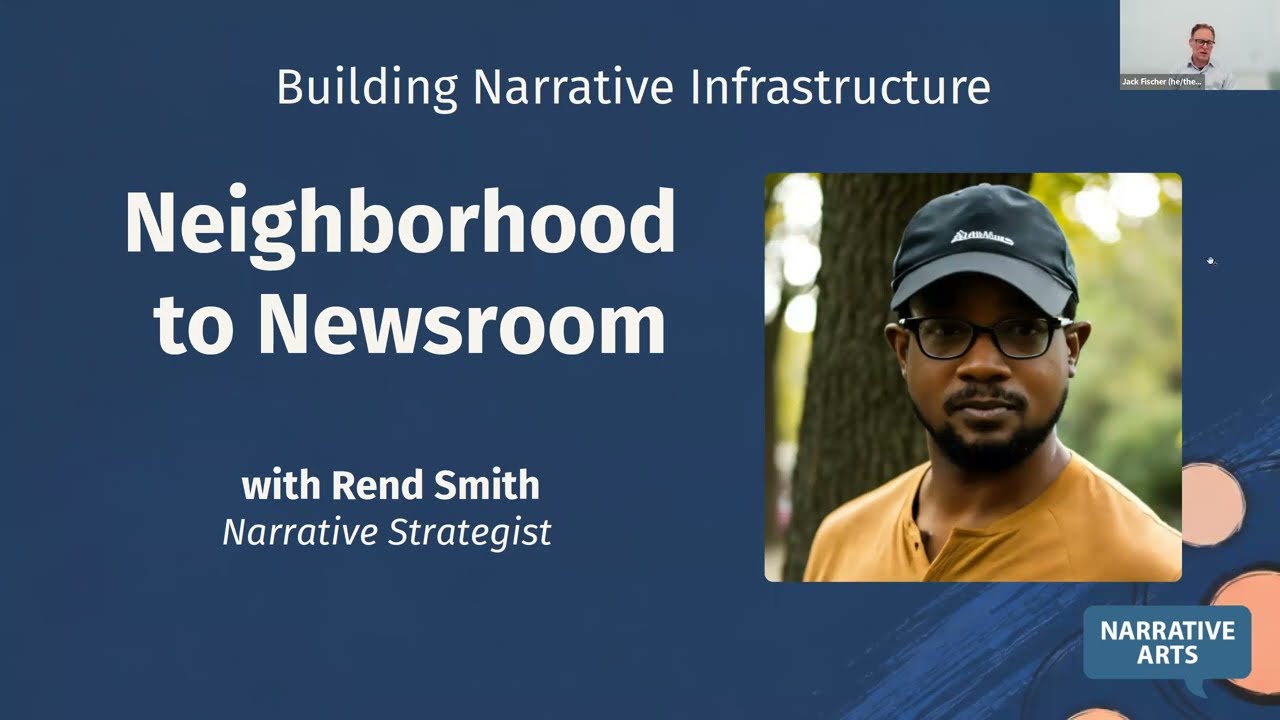
▶ Watch the webinar on YouTube
Neighborhood to Newsroom creates simple opportunities for community knowledge to inform journalism, strengthen civic dialogue, and shape public decision-making.
Information Is Part of Community Health
Community well-being is shaped by the conditions where we live, learn, work, and connect. Housing, education, economic opportunity, transportation, social connection, and access to trustworthy information all influence our health and quality of life. When communities have reliable information and opportunities to share knowledge, they are better equipped to identify challenges, find resources, participate in civic life, and shape the decisions that affect their communities.
Just as communities invest in roads, schools, and public health systems, they must also invest in the relationships and communication networks that help local knowledge move into public dialogue and decision-making.
Neighborhood to Newsroom helps build connections by bringing together residents, journalists, public health practitioners, civic organizations, and local leaders to learn from one another before decisions are made.
We call this narrative infrastructure: the relationships, practices, and institutions that help community knowledge become public knowledge. When communities strengthen these connections, they build healthier local information systems that support better journalism, more responsive institutions, and stronger, more resilient communities.

How It Works
Neighborhood to Newsroom is intentionally simple. Instead of launching a new program, begin by hosting a conversation.
Invite 12 to 15 residents, journalists, and community partners to share a meal, tell stories, and learn from one another. Small gatherings are often the first step toward stronger relationships and stronger local information systems.
Step One
Map Your Community’s Trusted Networks
Every community already has places where information naturally travels: libraries, barbershops, beauty salons, faith communities, schools, community centers, neighborhood associations, local restaurants, and neighborhood group text threads.
These are places where people exchange advice, notice changes, and help one another navigate everyday life.
Identify these trusted spaces—and the community connectors who naturally bring people together.
They are often the best place to begin.
Step Two
Host a Neighborhood Gathering
Bring together 12 to 15 people in a comfortable community space.
Focus on hospitality before facilitation.
Instead of asking people to solve problems immediately, begin with stories.
Ask questions such as:
- What is one thing about our community you wish more people understood?
- What story is our community trying to tell that rarely gets heard?
- What gives you hope about where you live?
- What challenge deserves more attention?
As people talk, listen for patterns instead of isolated concerns.
The goal is not simply to collect stories.
It is to help people recognize shared experiences, build relationships, and create a deeper understanding of community life.
Step Three
Keep the Conversation Going
One conversation rarely changes a community.
Relationships do.
Within one week:
- Thank participants.
- Share what you heard.
- Connect residents with journalists and community partners.
- Share useful resources.
- Plan another gathering.
Over time, these conversations become part of a stronger local information system—one where community knowledge regularly informs journalism, civic dialogue, and public decision-making.
Who Should Use This Toolkit?
Neighborhood to Newsroom was created for anyone working to strengthen local relationships and community problem-solving, including:
- Community organizers
- Journalists and local news organizations
- Public health agencies
- Healthcare organizations
- Community-based organizations
- Libraries
- Local governments
- Civic engagement initiatives
- Neighborhood associations
- Colleges and universities
- Philanthropic organizations
If your work depends on understanding your community more deeply, this toolkit can help.
What’s Included
Everything you need to plan, facilitate, and sustain a Neighborhood to Newsroom gathering.
The free toolkit includes:
- Organizer Worksheets: Practical planning tools to help you map your community’s trusted networks, identify community connectors, and organize your first gathering.
- Conversation Guide Worksheet: An at-a-glance facilitation guide that helps keep your gathering welcoming, focused, and productive.
- Facilitator Conversation Script: Ready-to-use opening remarks, discussion prompts, and facilitation guidance to help you lead meaningful conversations.
- Follow-up Templates: Ready-to-use emails, resource lists, and follow-up templates to help you maintain relationships, share what you learned, and plan your next gathering.
Download the Neighborhood to Newsroom Toolkit (PDF)
Research and Resources
Neighborhood to Newsroom draws on research and practice from the fields of narrative change, civic information, public health, journalism, and community engagement.
Whether you are working to improve local health systems or foster deeper civic dialogue, these resources offer practical tools to help you refine your approach and build support for your work.
Recommended Reading
- FrameWorks Institute: Health
A guide to talking about health as a systemic issue shaped by community conditions, rather than just individual choices. - FrameWorks Institute: Framing the Foundation of Community Health
Practical strategies for building effective cross-sector collaborations. - Berkeley Media Studies Group: Framing 101
Learn how to shape public discourse to focus on community-level solutions. - Berkeley Media Studies Group: Media Advocacy 101
A guide to connecting public health, journalism, and policy change to drive real-world impact. - Civic Information Index
Data and insights that underscore why local news and information are essential pillars of a healthy, functioning community. - Journalism + Design: Local News Infrastructure
Insights into leveraging your local networks – including libraries, arts organizations, and community hubs – to create resilient information ecosystems.
About Narrative Arts
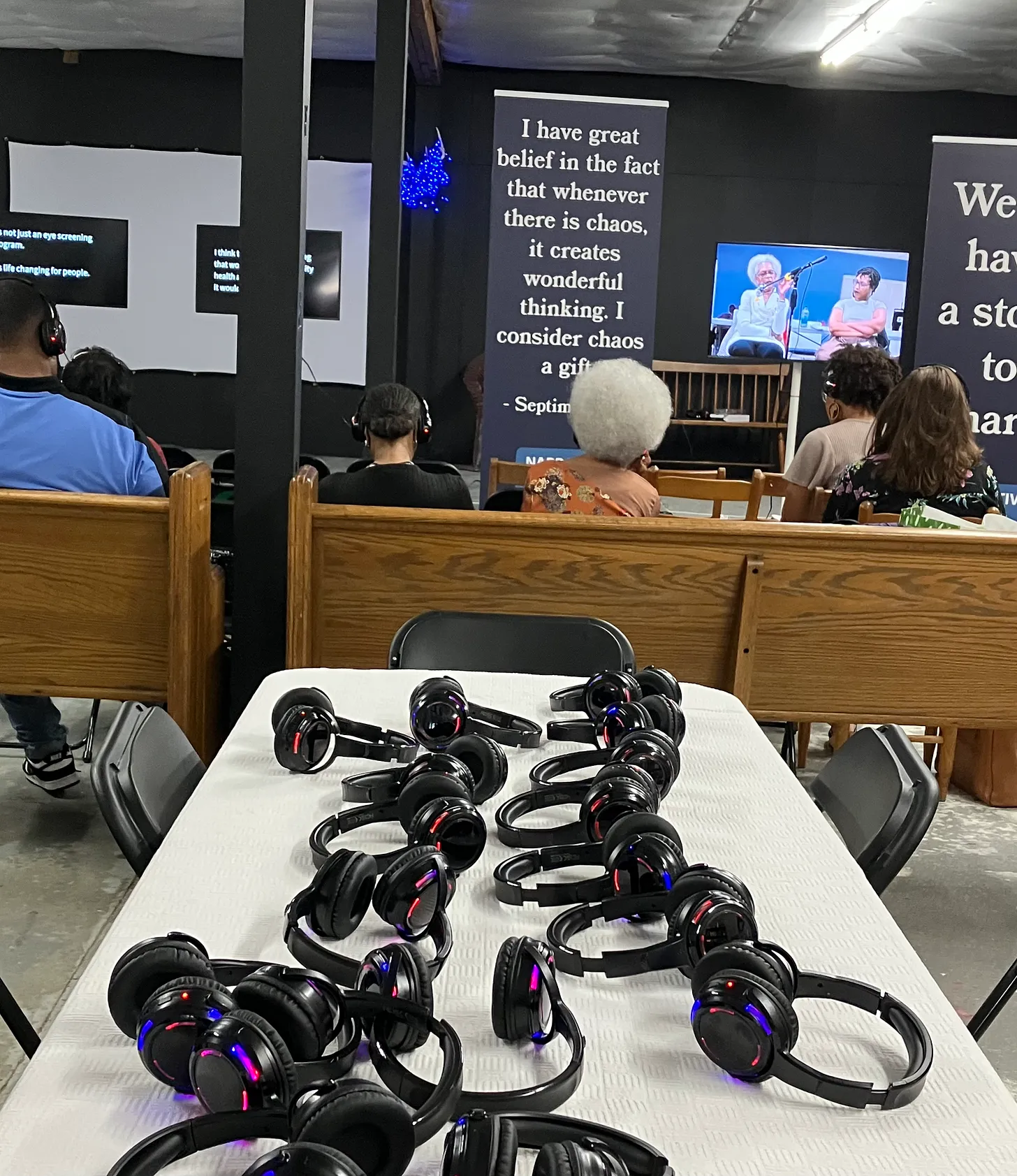
Neighborhood to Newsroom is an initiative of Narrative Arts, a North Carolina nonprofit that uses storytelling, journalism, multimedia arts, and community engagement to strengthen civic life.
We believe communities already possess the knowledge needed to solve many of the challenges they face.
Our work is to create the relationships, practices, and opportunities that help local knowledge move into journalism, public dialogue, and community decision-making.
Stronger relationships create stronger information. Stronger information helps communities solve problems together. And communities that solve problems together are healthier, more resilient, and better prepared for whatever comes next.
Bring Neighborhood to Newsroom to Your Community
Neighborhood to Newsroom is designed to be adapted to your community’s unique strengths, relationships, and challenges. If you’re interested in hosting a gathering, training facilitators, or exploring a partnership, we’d be happy to help.
Contact Narrative Arts to learn more about workshops, facilitation support, speaking engagements, and collaborative opportunities.