
Blog
Structural Determinants of Health in New Hanover County
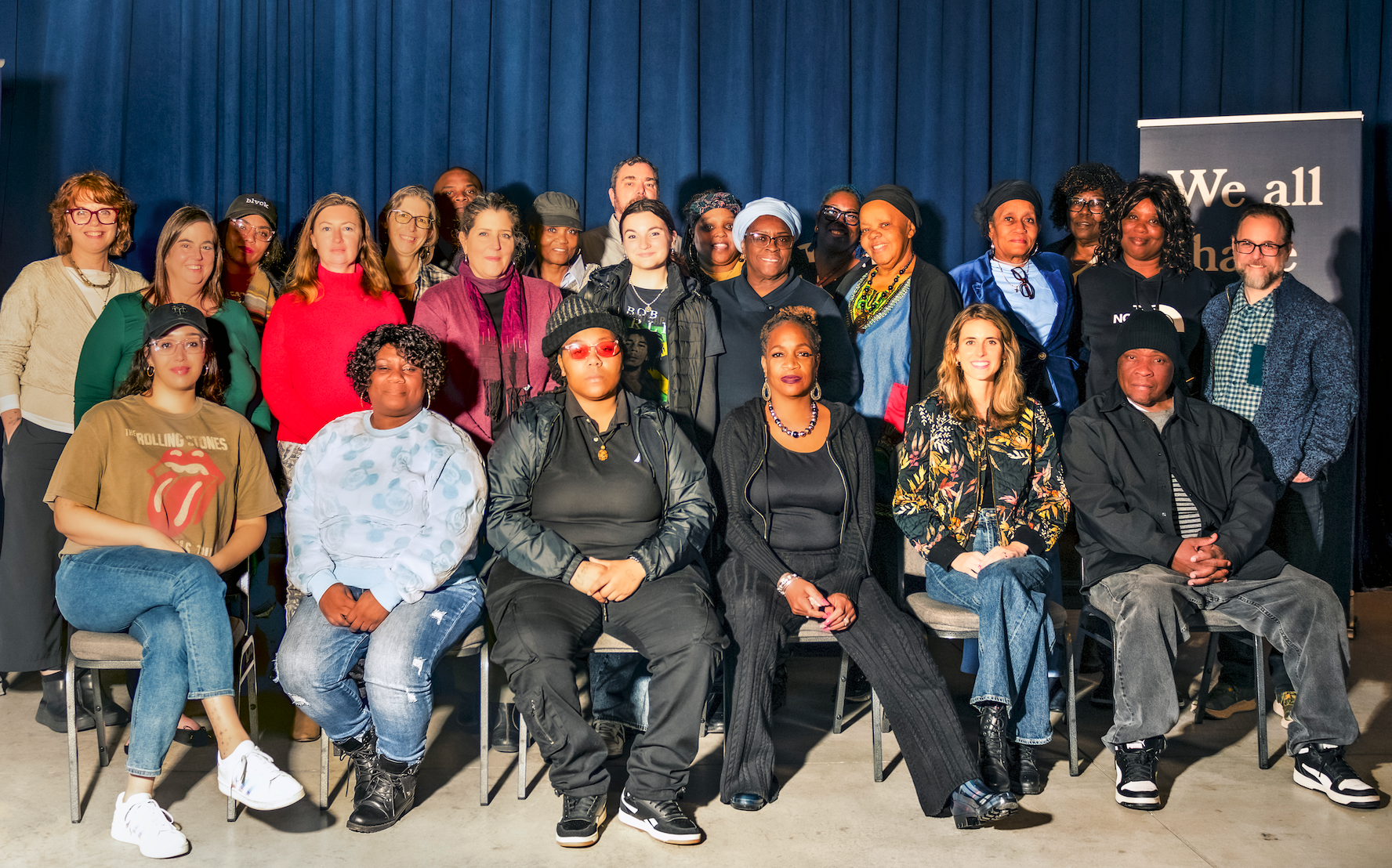
Community members gather for a story circle. Photo by Day Camposeco.
A Community Story Circle
Last week in New Hanover County, Narrative Arts convened a community story circle and asked participants to reflect on a simple question:
When have the conditions around you shaped your health or wellbeing?
The gathering was made possible through the leadership of community connectors Brandon Cagle and Rachel Bodkin-Fox of IRL Communications, and hosted at Dreams Center, an arts and community space rooted in local relationship-building. Their partnership ensured the room reflected the lived experience and leadership already present in New Hanover County.
What emerged was not a list of personal struggles. It was a map of systems.
Participants described how schools, housing policy, economic pressure, healthcare structures, and institutional trust shape health long before anyone enters a clinic. Public health leaders refer to these forces as the structural determinants of health — the policies and institutional practices that create the conditions in which people live, work, and age.
The conversation echoed what local data already shows. A recent StarNews report highlighted a 17-year life expectancy gap between two Wilmington census tracts. Gaps of that scale are not explained by individual behavior. They reflect cumulative structural conditions.
In the circle, participants pointed to how school discipline practices influence long-term outcomes, how housing instability generates chronic stress, and how navigating healthcare systems can either build or erode trust. State data continues to show racial disparities in school suspensions, including in New Hanover County. Census data shows that roughly one in three renters locally is cost-burdened. These are not isolated issues. They are interconnected conditions.
The through-line was clear: health is shaped in the public environment.
It is shaped in classrooms, in rent policies, in emergency response systems, and in whether institutions feel accountable to the communities they serve. When systems respond to distress as discipline rather than support — or when economic gains are offset by rising costs — health outcomes follow.
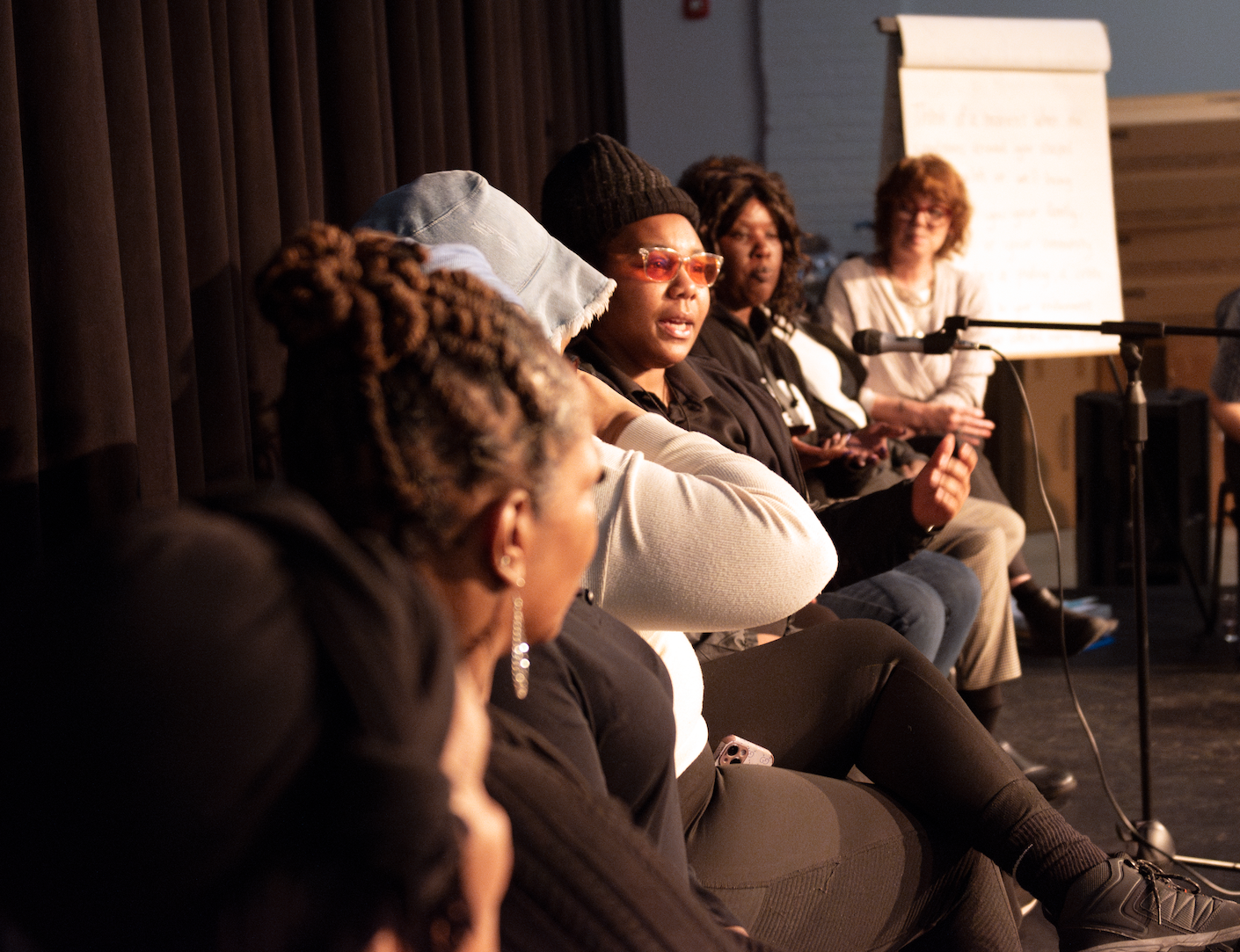
Photo by Day Camposeco.
Story circles add a layer to traditional public health assessments. They surface how residents interpret systems — where trust is strong, where it has frayed, and what signals repair. Listening in this structured way is not symbolic engagement. It is infrastructure for more responsive governance.
Health does not begin in the exam room.
It begins in the public environment.
This New Hanover County gathering is part of Narrative Arts’ 24-month health narrative initiative working across eastern North Carolina. In counties including Columbus, Pender, Carteret, Pitt, and Hertford, we are convening story circles and interviews to understand how residents experience the systems that shape wellbeing. Insights from these gatherings will inform a statewide narrative strategy, public reporting, and media projects designed to strengthen accountability and trust in public health systems.
Social Media


