Blog
Listening to Health: What Story Circles Are Revealing About Public Health in Eastern North Carolina
How story circles and community listening gatherings are bringing lived experience into public health conversations across eastern North Carolina.
“We need to see you in the community working with us.”
That was one of the first comments shared during a story circle where residents spoke candidly about what shapes health in their daily lives: transportation, housing, schools, jobs, and whether institutions show up when people need them most.
Moments like this are at the center of a growing body of work led by Narrative Arts across eastern North Carolina. Through story circles, recorded interviews, and community gatherings, residents are sharing lived experiences that reveal how health is shaped long before someone walks into a clinic. This work demonstrates how community storytelling can bring lived experience into public health dialogue and planning across eastern North Carolina.
Across counties including Columbus, Carteret, New Hanover, Hertford, and upcoming gatherings in Pender and Pitt, these conversations are helping surface the structural forces that influence health and wellbeing in rural communities.
This work demonstrates how community storytelling can bring lived experience to the center of public health dialogue and planning across the region.
Health Begins in the Community
Public health research has long documented that medical care accounts for only a portion of health outcomes. Housing stability, transportation, education, employment, and environmental conditions all shape whether people can live healthy lives. These factors are known as the structural determinants of health, and they exert a stronger influence on health than clinical care..
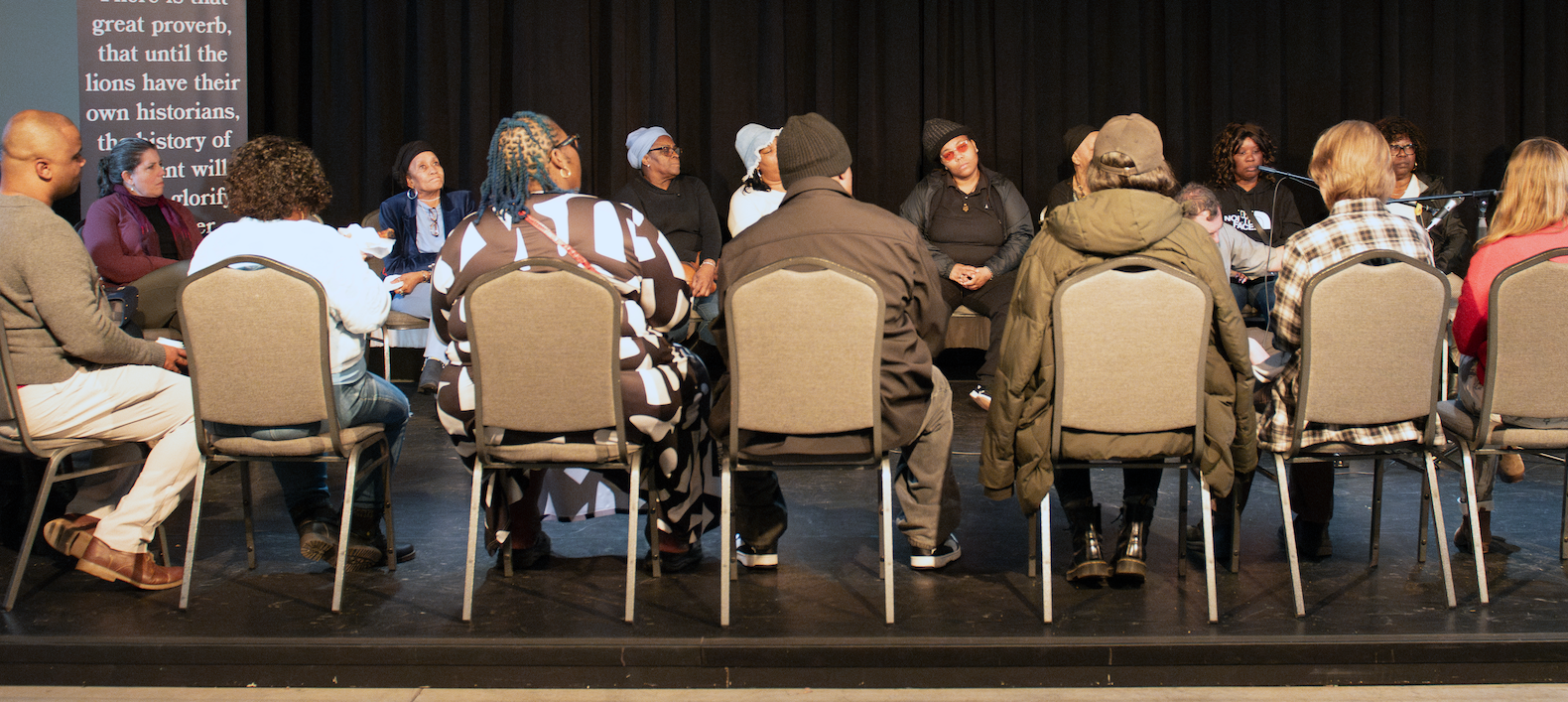
Story circles hosted by Narrative Arts invite community members to explore causes of health beyond the doctor’s office.
Mapping the Systems That Shape Health
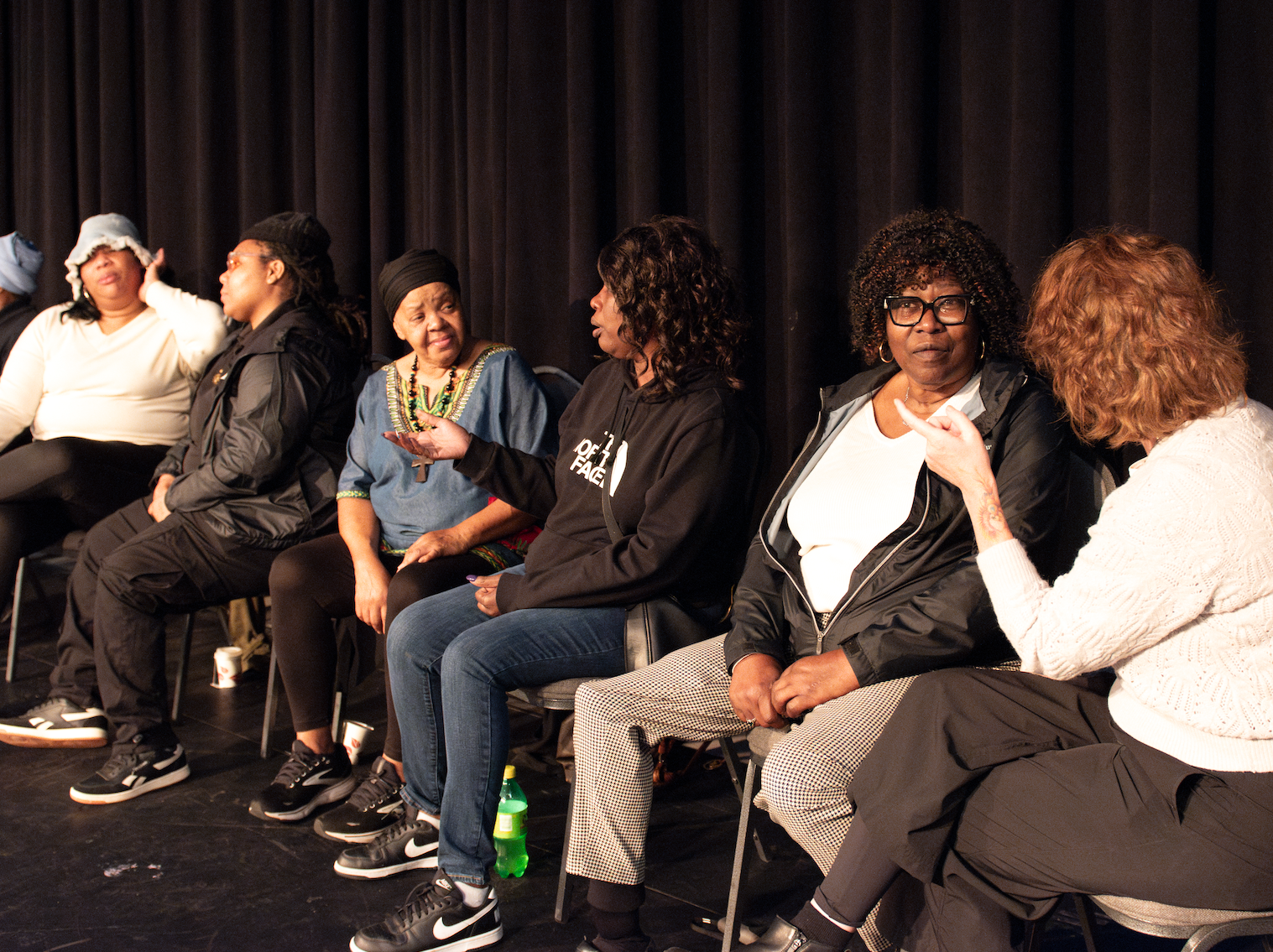
A recent gathering in New Hanover County illustrated how quickly these stories reveal the deeper structures shaping wellbeing.
Participants were asked a simple question:
When have the conditions around you shaped your health or wellbeing?
The responses quickly formed what facilitators described as a map of interconnected systems.
Residents spoke about housing instability, school discipline practices, environmental conditions, economic pressures, and the bureaucratic challenges families often face when seeking healthcare.
The local data reflects these realities.
In Wilmington, a 17-year difference in life expectancy exists between two census tracts. Structural conditions such as housing, income, and environmental exposure cause these kinds of gaps. One Wilmington resident expressed struggling with her difficult choices: “My Medicaid expansion coverage was withdrawn, and now I can’t afford my medication. I’m already starting to feel the effects”
Story circles like these help translate statistics into lived experiences that policymakers and institutions can better understand.
Columbus County: Rebuilding Trust Through Listening
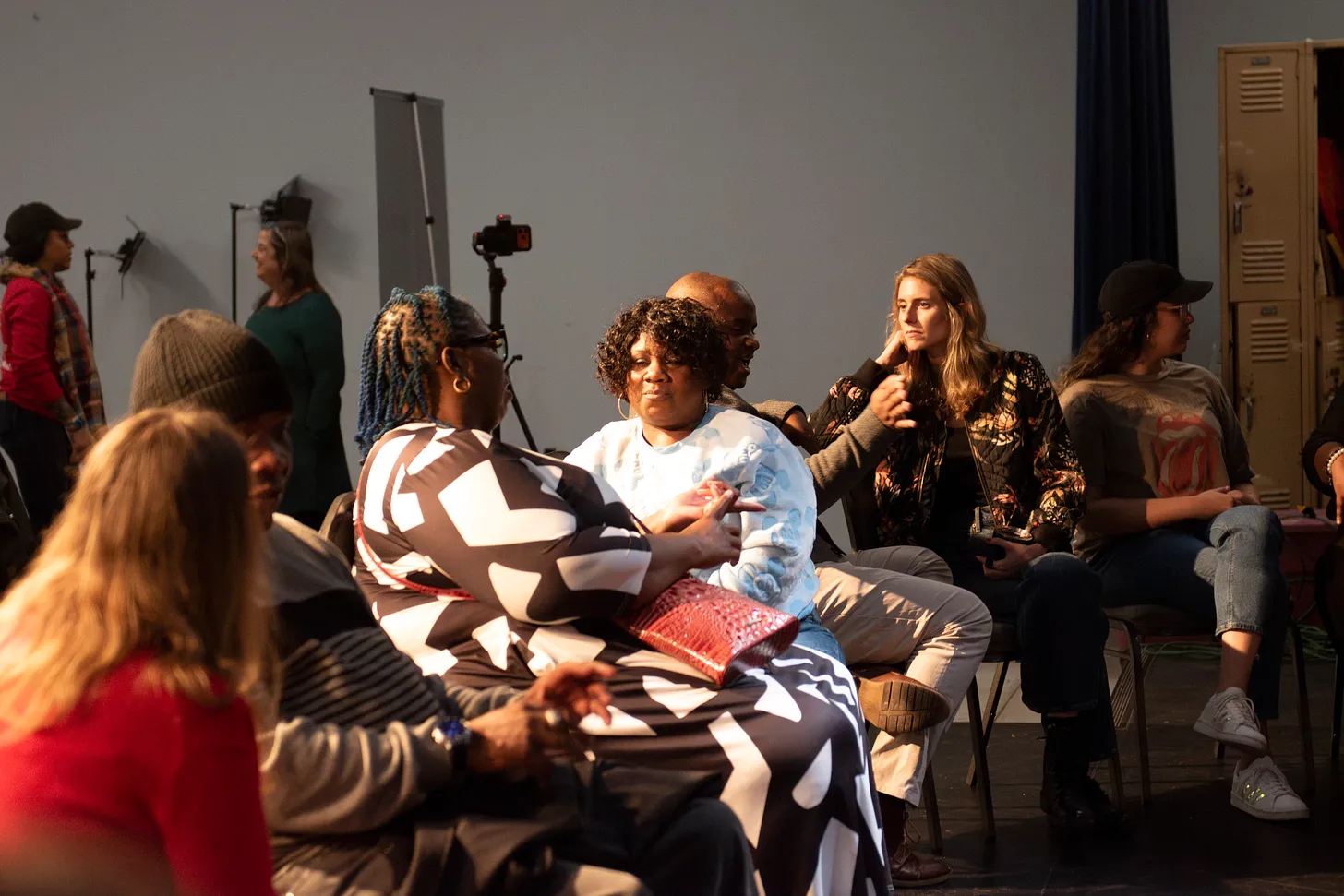
In Columbus County, Narrative Arts partnered with community leaders to host a story circle inviting residents to reflect on their experiences with public institutions and health systems.
Participants described challenges navigating transportation, insurance systems, and access to medical services in rural communities.
But they also spoke about trust.
Many emphasized that meaningful engagement begins with consistent presence.
“We need to see you in the community working with us,” one participant said.
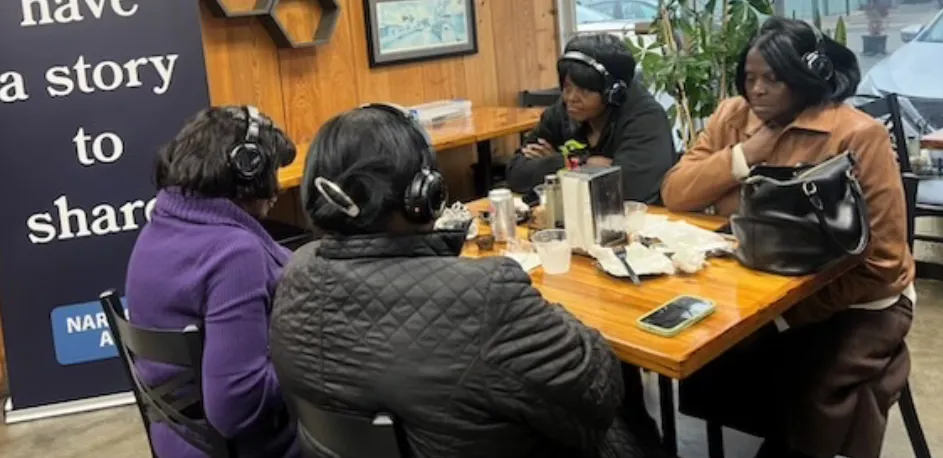
Narrative Arts later returned to Whiteville to share recorded stories from fourteen community members during a public listening event where residents gathered to hear and reflect on the stories together.
The recordings were presented as short audio documentary segments, allowing community members to hear their neighbors’ experiences and perspectives.
“Public health works best when people feel they have a real hand in shaping it,” said Wallyce Todd of Community CPR. “For communities that have experienced generations of harm and exclusion, being heard is essential to rebuilding trust.”
A Growing Regional Conversation
The storytelling initiative continues to expand across eastern North Carolina.
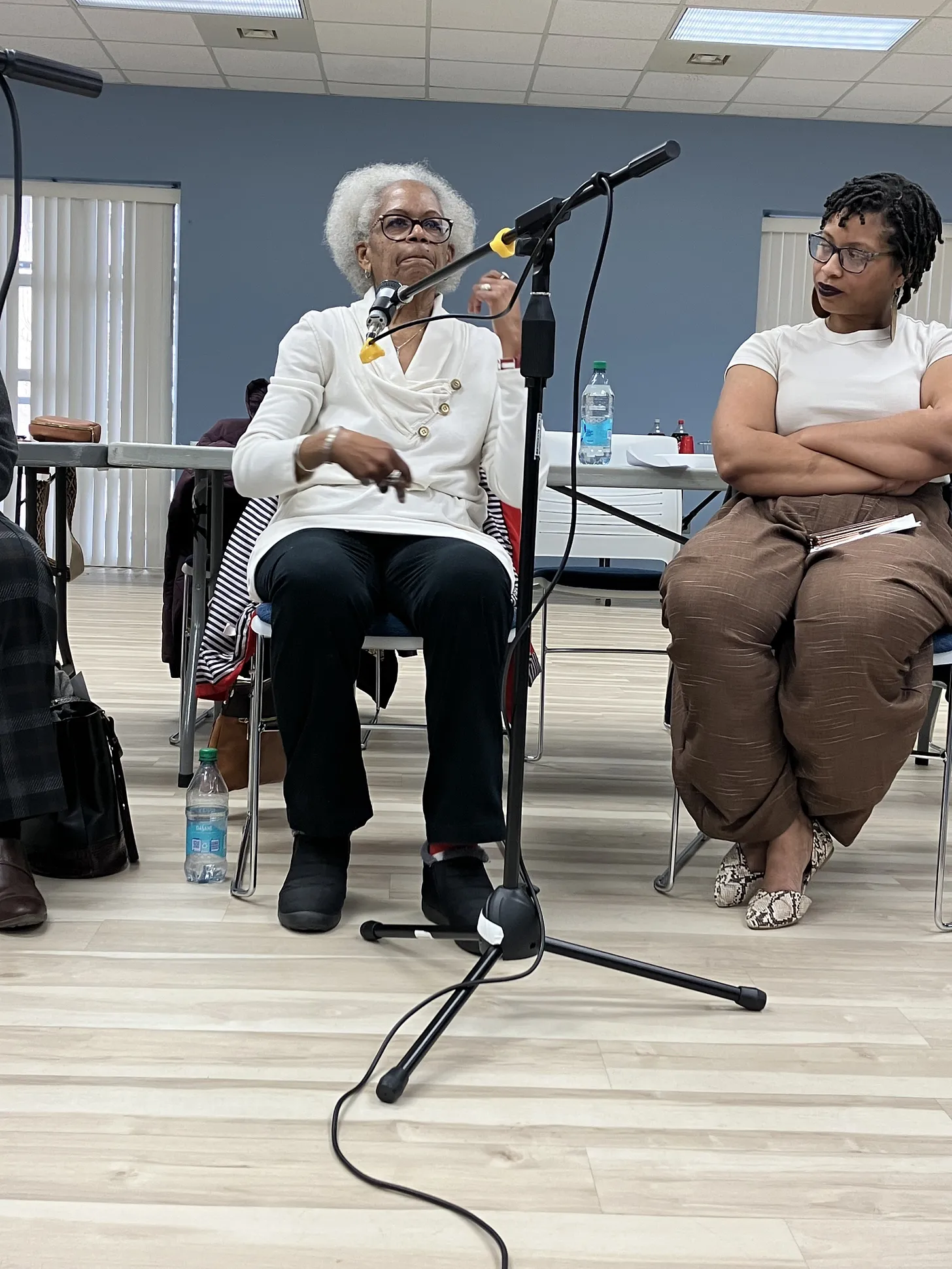
Across the counties participating so far, dozens of residents, public health and hospital officials, community health workers, and local leaders have come together to share stories about the systems that shape health in their communities.
Recent gatherings have taken place in Hertford County, and upcoming story circles will be held in Pender County and Pitt County.
Each gathering adds new perspectives about health, opportunity, and belonging in rural communities.
Why Stories Matter in Public Health
Data plays an essential role in understanding health trends.
But numbers alone cannot capture the full picture of how policies and systems affect people’s lives.
Stories illuminate how structural conditions influence everyday experience. They help communities articulate their own understanding of what health and wellbeing require.
When community voices are included in public dialogue, institutions gain a clearer understanding of the environments where policies and programs take effect.
That understanding is essential for building trust and designing solutions that reflect local realities.
Looking Ahead
Over the coming months, Narrative Arts will continue hosting story circles and community listening events across eastern North Carolina.
The stories gathered through these conversations will inform multimedia storytelling projects and ongoing dialogue with community leaders, public health practitioners, and community partners working to strengthen health outcomes across the region.
At the center of the work is a simple commitment: Listening to communities and ensuring that their experiences help shape the conversations that define public health.
Social Media


