Blog
Building Narrative Infrastructure: Strengthening Community Health Through Journalism
The story isn’t just news. It’s infrastructure.
Across the country, people working in public health, journalism, community organizing, and civic engagement are confronting the same challenge: How do we build trust, strengthen relationships, and create the conditions for communities to solve problems together?
At Narrative Arts, we’ve been exploring that question for nearly three decades.
Several years ago, we joined a conversation that would help shape much of our work. Journalists and media activists including Fiona Morgan, Alicia Bell, and others were asking an important question: What would happen if we built deeper relationships between communities and the local media systems that serve them?
The initiative was called Neighborhood to Newsroom, and its core idea was simple but powerful. Rather than seeing journalism as something produced for communities, what if communities and media makers learned from one another, built trust, and developed a shared understanding of the stories, information, and relationships that shape civic life?
For Narrative Arts, this resonated immediately.
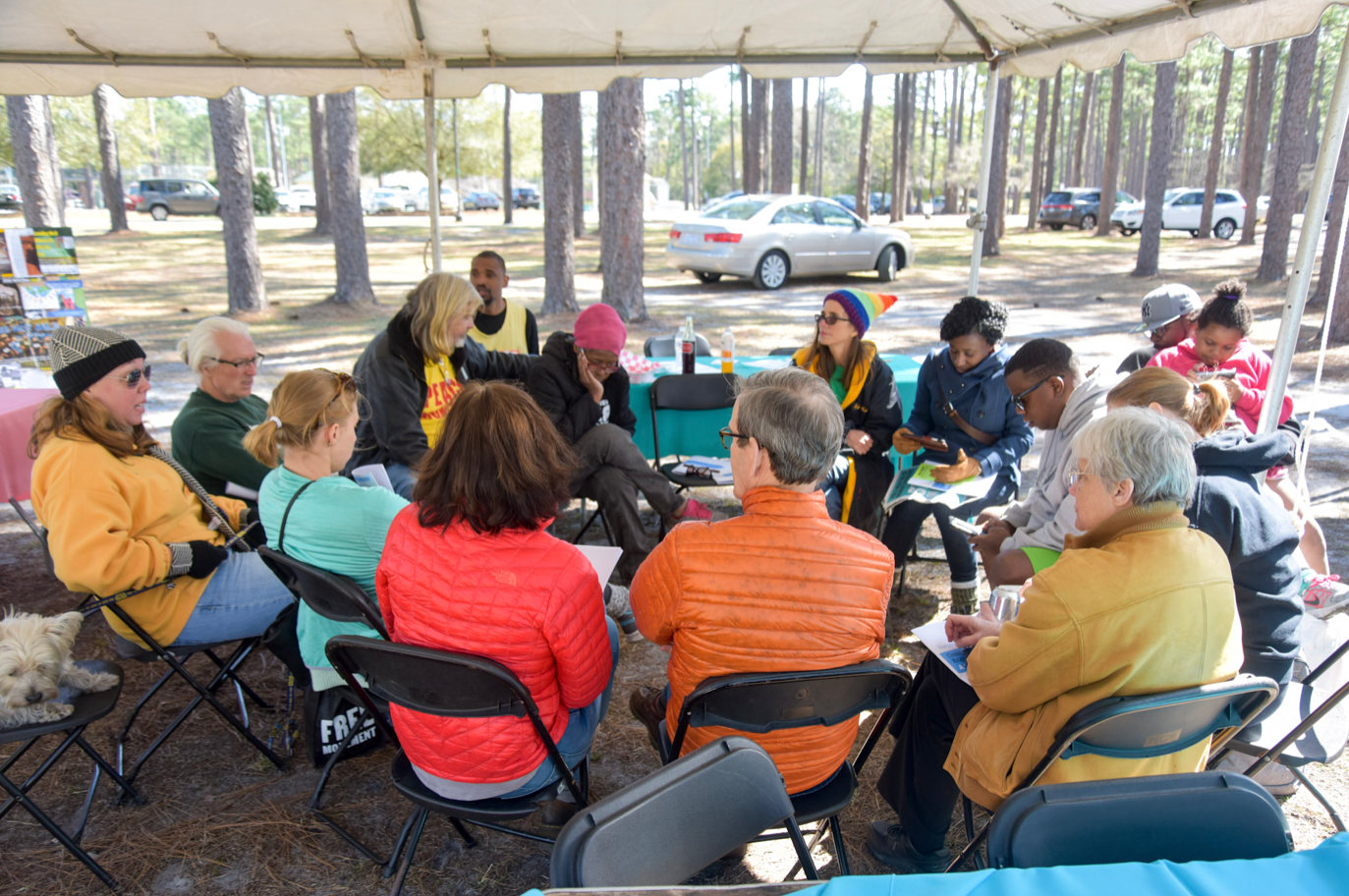
We’ve always operated where storytelling and journalism meet community-led change. We began facilitating Neighborhood to Newsroom-style conversations in Wilmington, North Carolina, bringing residents, journalists, nonprofit leaders, artists, and community members together around a shared table.
These conversations were messy. We sat with residents who were tired of being written about but rarely spoken with. We heard where trust had broken down, who was being left out of local conversations, and which stories never seemed to reach public attention.
What emerged was a deeper understanding of something bigger than journalism.
We began to see local media as part of a broader community health system because communities cannot solve problems together if people lack trusted information, opportunities for dialogue, and ways to make their voices heard. Just as communities need clinics, schools, parks, and public spaces, they also need trusted ways to share information, solve problems together, and make collective decisions.
When those connections weaken, communities become more isolated, fragmented, and vulnerable. When they strengthen, communities become more resilient.
Moving beyond conversations was the hard part. We had to figure out how to bridge the gap between a one-time lunch and a sustained network. We weren’t simply building a media project. We were helping build the relationships, trust, and communication pathways that allow communities to respond to challenges together.
When we say narrative infrastructure, we aren’t talking about physical buildings. We mean the durable relationships, communication channels, trusted messengers, and feedback loops that allow a community to hold institutions accountable, make sense of complex issues, and solve problems together.
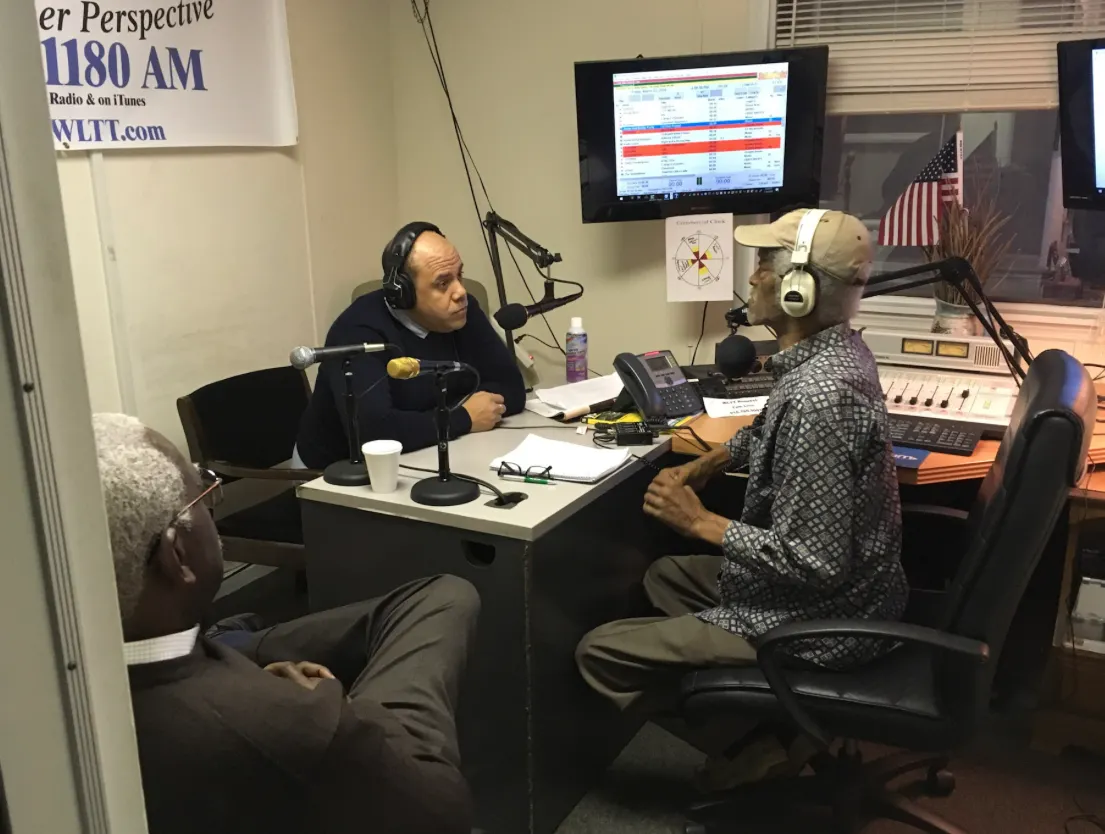
That work eventually led us toward the development of the Coastal Journalism Hub, a collaborative effort focused on health, trusted messengers, community feedback loops, and stronger connections between local institutions and residents.
Along the way, we learned that journalism can play an important role in helping communities understand themselves, but only when it is connected to the people and organizations already doing the work of building community power.
In other words, the story isn’t just news. It’s part of the infrastructure communities rely on to make sense of challenges and act together.
Those lessons are the foundation of our upcoming webinar series, Building Narrative Infrastructure: Strengthening Community Health Through Journalism, where we’ll bring together practitioners from across the country to explore what it takes to build trust, strengthen information systems, and support healthier communities.
This is a chance to compare notes with practitioners who are doing the day-to-day work of connecting media, community engagement, public health, and civic participation.
Together we’ll explore:
- How the Neighborhood to Newsroom model emerged and what it teaches us about rebuilding trust.
- How collaborative journalism hubs are being developed to strengthen community health.
- The role of trusted messengers, community listening, and feedback loops in healthy information ecosystems.
- Practical lessons, challenges, and mistakes from organizations working at the intersection of journalism and community power building.
Most importantly, we’ll explore how narrative infrastructure—the relationships, networks, and communication systems that connect people to one another—can become a foundation for healthier, more resilient communities.
This work is part of a growing national movement to strengthen the civic and information infrastructure communities need to address complex challenges—from public health and housing to climate resilience and democratic participation.
We know that trying to change how your community talks about health isn’t easy. You’re often pushing against years of established assumptions, fragmented information systems, and institutions that struggle to hear community voices.
This series is an opportunity to learn from others doing this work, share practical strategies, and build relationships that can support the long haul.
If you’re working to build trust, strengthen community health, support civic participation, or create more responsive local institutions, we invite you to join us.
The story isn’t just news. It’s infrastructure. Let’s build it together.
Webinar Series: Building Narrative Infrastructure: Strengthening Community Health Through Journalism
Tuesdays, July 7, July 14, and July 21, 2026
2:00–3:00 PM ET
Participants may register for one session or the entire series:
https://us06web.zoom.us/webinar/register/WN_rm97vu_jT8OW9mVuRJS6bg#/registration
Social Media


