Blog
Listening in Columbus County: What a Story Circle Revealed About Public Health
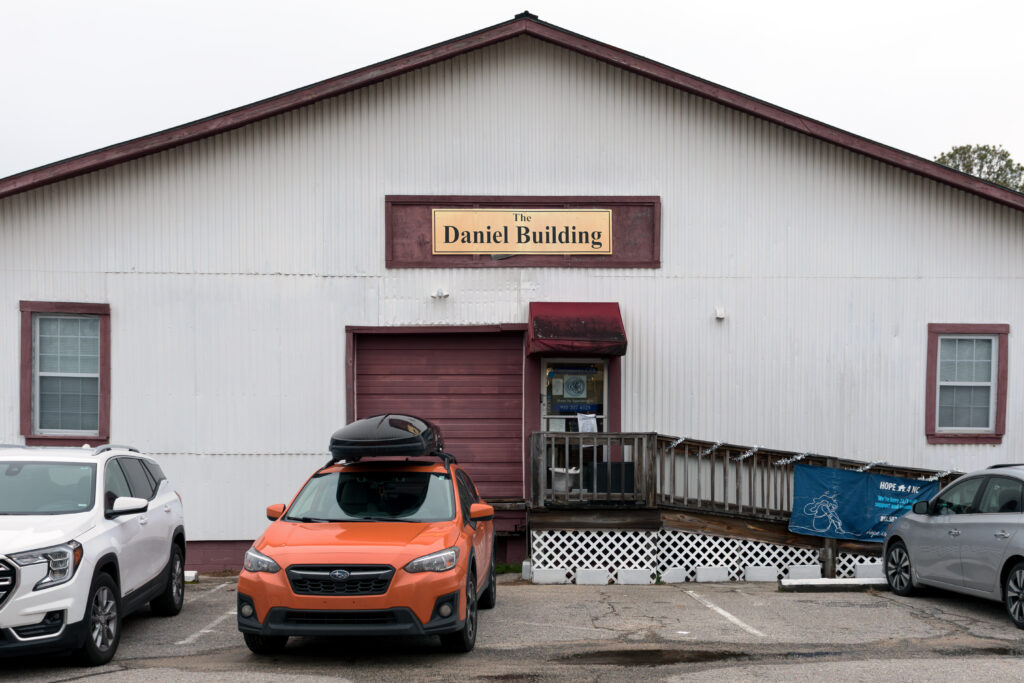
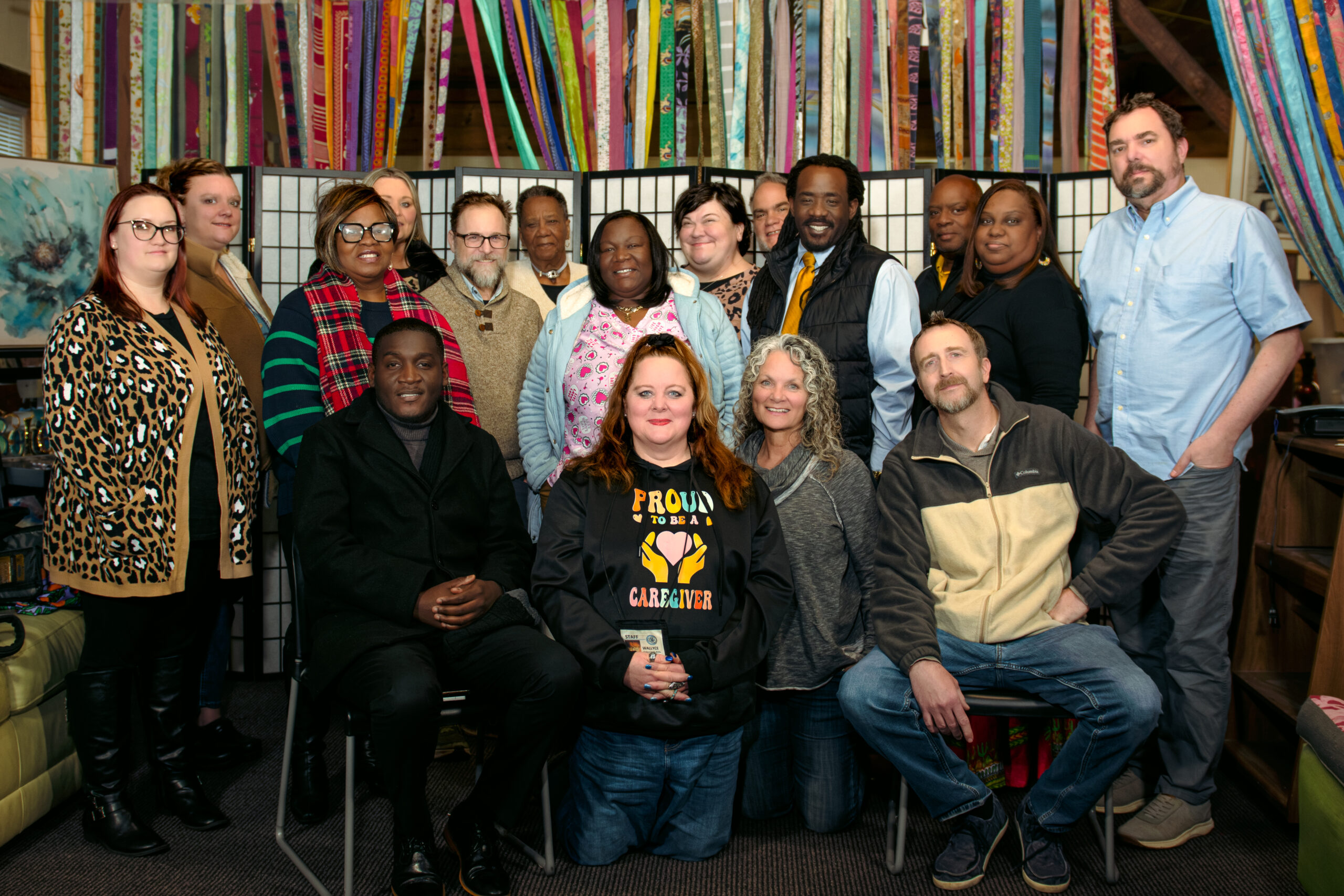
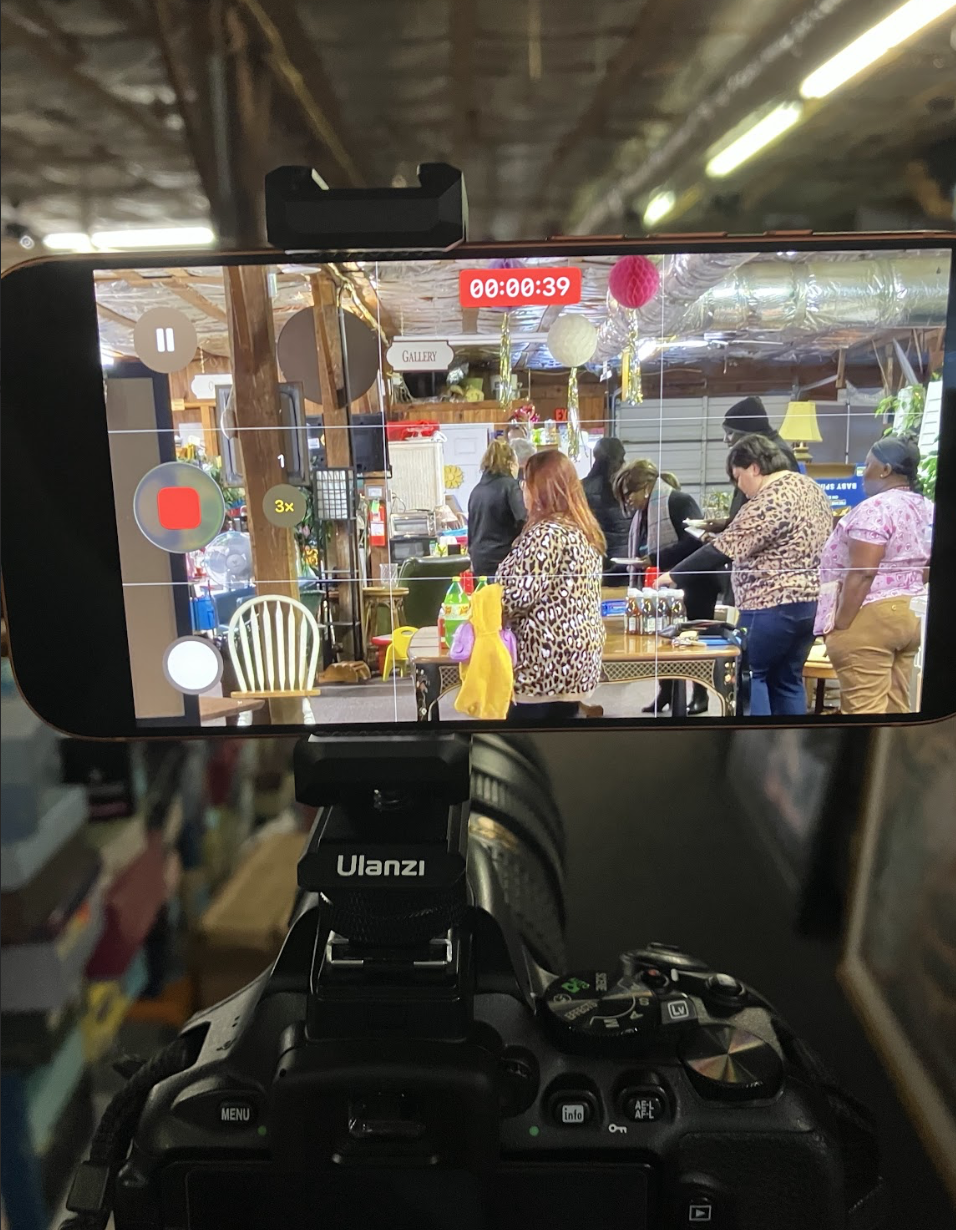
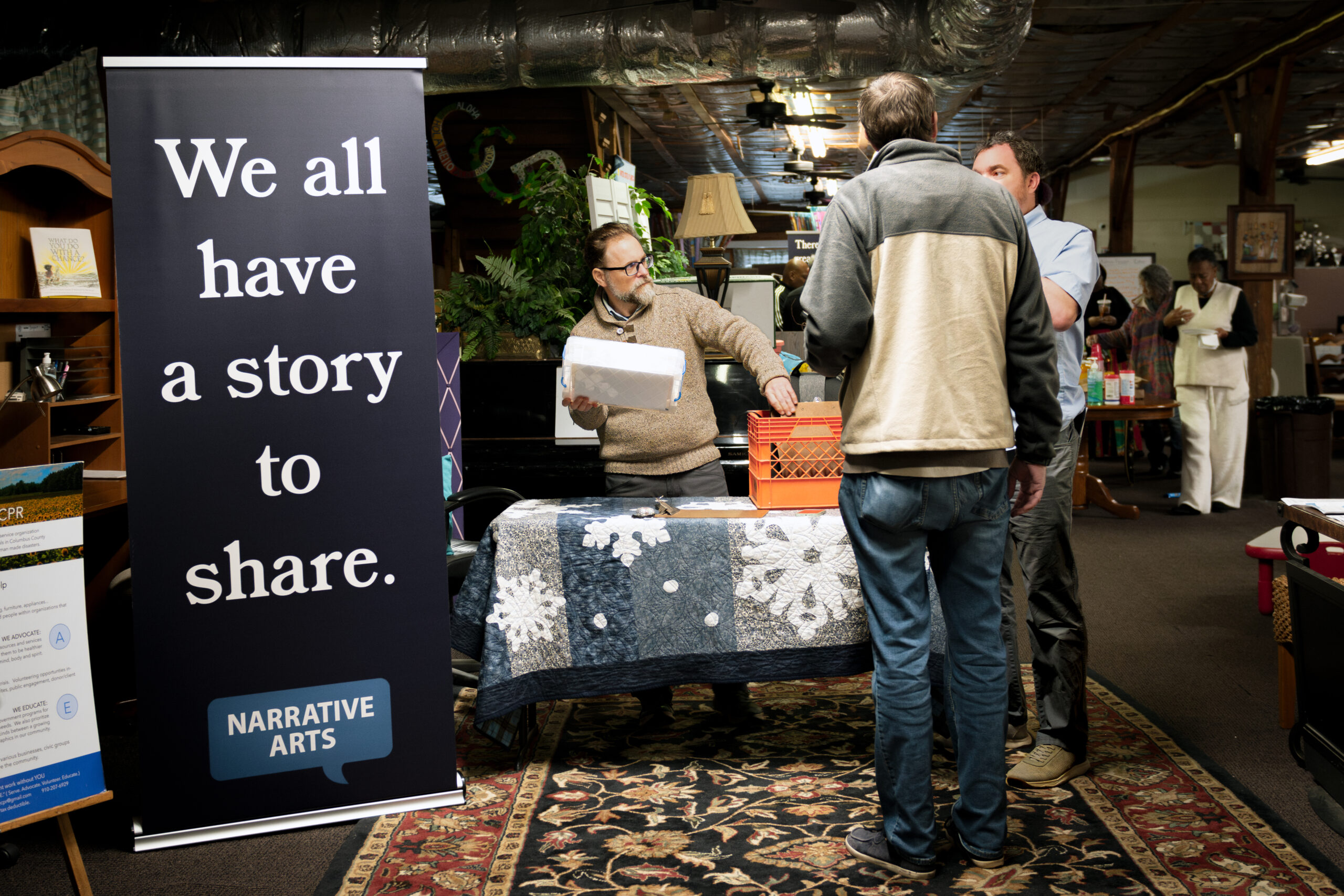
Last week, Narrative Arts convened a story circle in Columbus County, North Carolina, bringing together community members for an extended conversation about public health as lived experience.
The conversation was not about individual choices, but about how structural realities and systemic failures, such as lack of transportation or distant institutional presence, shape the experience of health and survival in this rural place.
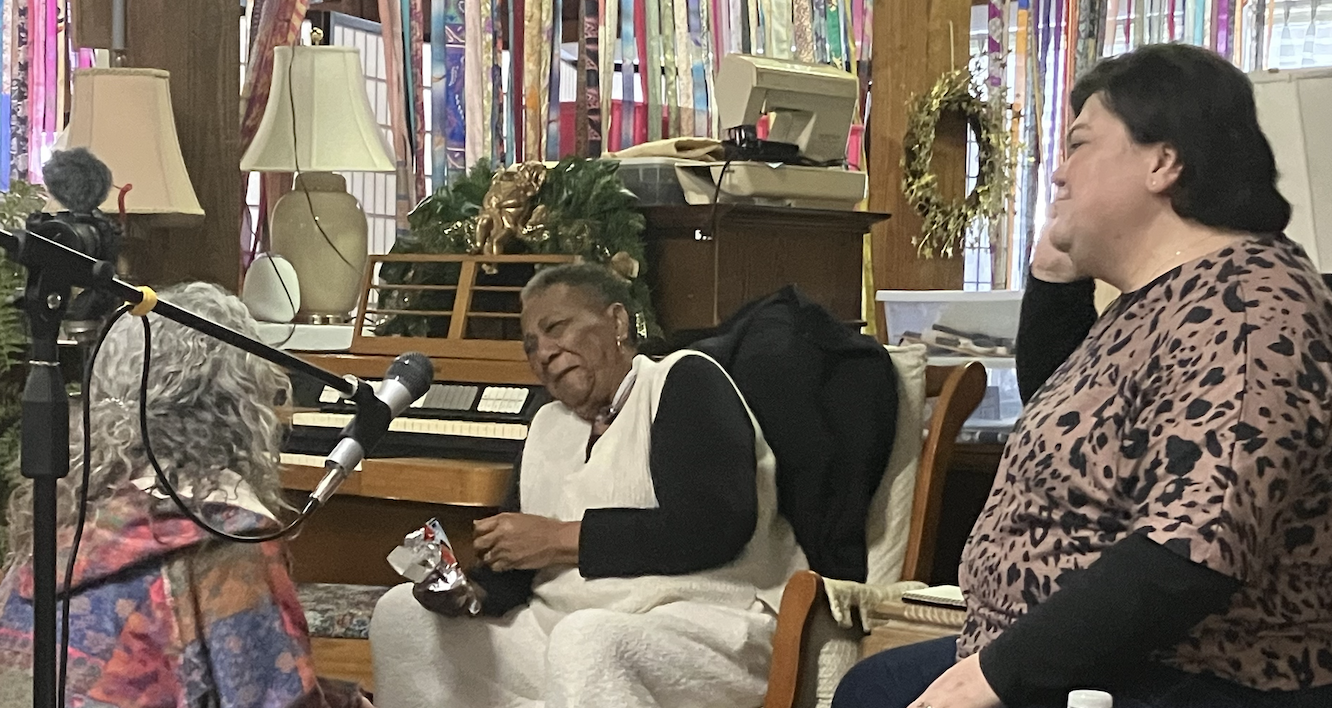
Participants shared stories about care, access, responsibility, frustration, and what it means to navigate health and survival in a rural place. People spoke, listened, disagreed, reflected, and stayed in the room together. The conversation moved between personal experience and collective reflection, allowing meaning to take shape over time.
What emerged was not a single narrative, but a layered picture of how public health is understood, felt, and navigated day to day and what it might take to reimagine it.
Public Health, Lived
In Columbus County, public health is not determined primarily through programs or messaging. It shows up in ordinary but consequential ways: distance from care, transportation, caregiving labor, emergency response, insurance rules, and whether institutions feel present in people’s lives when they are needed.
Participants spoke through stories of family and crisis, but consistently linked their struggles to the failure of structural systemslike insurance access, transportation infrastructure, and coordinated emergency response. For them, public health is not programs—it is whether these structural systems are present when needed.
As one participant put it plainly: “We need to see you in the community working with us.”
The statement reflects a core insight from the circle: Public health is understood locally not by what exists on paper, but by who shows up. It is measured by how information travels, and whether institutions feel genuinely connected to everyday life.
Staying With Difference
The conversation included a wide range of perspectives. Participants did not all share the same views on responsibility, faith, government, or solutions, and at times those differences were clear.
What stood out was how people navigated that tension. Rather than ending the conversation, disagreement became part of it.
Participants listened across differences, responded to one another, and reflected on what they were hearing. At one point, someone summed up the tone of the exchange: “I don’t agree with everything you’re saying — but I hear what you’re saying.”
In a moment when public conversations often fracture quickly, this capacity to continue relating in relationship felt notable and essential to any effort to reimagine public health in ways that communities can trust.
Why Time Matters
The length of the story circle shaped how the conversation unfolded. As time passed, stories deepened, connections emerged, and participants revisited earlier ideas. People moved beyond initial positions and engaged more fully with one another’s experiences.
Time created space for trust, complexity, and shared reflection. This extended time allowed stories, analysis, and moral reasoning to exist side by side without pressure to resolve or conclude.
From Listening to Insight
As this work continues, the stories shared in Columbus County are already providing practical insights for public health partners — particularly around communication, visibility, and institutional presence.
Participants spoke clearly about where systems break down not because policy is absent, but because information does not reach people, services feel distant, or institutions are not experienced as being with the community.
At the same time, important questions remain open:
What helps people re-enter relationship with public institutions after harm?
What signals trust — or its absence — before outcomes can be measured?
How do we move beyond a focus on individual responsibility and illuminate the shared, systemic failures that create the most significant barriers to health, such as a lack of rural transportation funding or inequitable distribution of care facilities?
Across story circles, Narrative Arts is tracking recurring themes, language, and points of friction to better understand how trust is built, strained, or repaired. Alongside traditional evaluation tools, we pay attention to narrative indicators. These indicators include a willingness to stay in dialogue across differences, a willingness to return to shared spaces, or a willingness to engage institutions without withdrawal.
What Comes Next
This story circle is part of Narrative Arts’ ongoing work to explore how communities make meaning together, particularly in rural contexts where public systems are felt intensely in everyday life.
In the coming months, we will:
- share audio from this gathering through a public listening installation,
- record additional stories with participants,
- create a short documentary film which digs deeper into the stories shared
- convene future story circles in Columbus County and beyond.
We see this work as building space — for listening, for reflection, and for narratives that can hold complexity without collapse.
We see this work as building space — for listening, for reflection, and for narratives that can hold complexity without collapse. Before public health can be reimagined, it has to be heard.
Reimagining Public Health, Statewide
The story circle in Columbus County is part of Narrative Arts’ newly launched statewide rural health narrative initiative — a 24-month effort to build trust in governmental public health through sustained community listening across rural North Carolina.
Beginning in places like Columbus County, and expanding to counties including Pender, Carteret, Pitt, and Hertford, the initiative centers communities most impacted by inequity. The story circles will help to understand how public health is understood, discussed, and acted upon. Through story circles, interviews, and collaborative media-making, this work is building a shared narrative foundation rooted in lived experience — not to prescribe solutions, but to ensure that future public health strategies reflect how people actually experience care, accountability, and trust in their daily lives.
Social Media


