Blog
Lure of the Local
Local media. Local community. Local arts. Local spaces. Local power. Lucy Lippard reminds us in The Lure of the Local that the local is not an idea—it’s an action. Something we make real each time we gather, each time we listen, each time we look closely at the places we claim.
In rural North Carolina, Narrative Arts is local when we organize. We are local when we hold a meeting, when our youth media project interviews a neighbor, when we work with people to build community power through storytelling, and when we mirror back positive stories that deepen our shared value of the places we live.
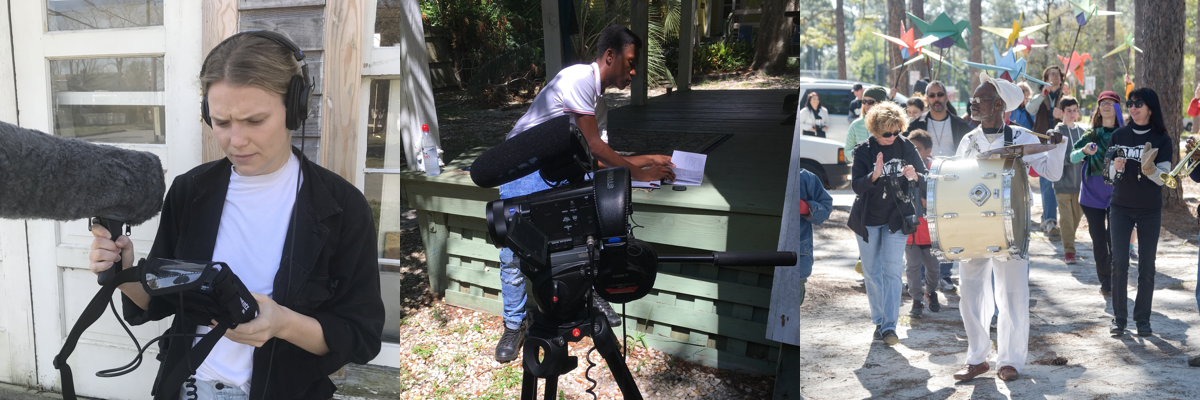
Our power is rooted in the belief that we have more in common than we have alone, and that we are all working together in this.
I keep returning to something that happened years ago at a national conference. I was sitting in the audience listening to a civil rights group from D.C. whose work I admired. Suddenly their representative started talking about my hometown. It stopped me cold. I had never heard anyone from outside the Glass City—Toledo, Ohio—speak about my city, much less my neighborhood, with that kind of certainty. For a moment I felt pride, curiosity, and recognition. Then they said, “No one has ever organized in the community we are working in.” And my enthusiasm drained away.
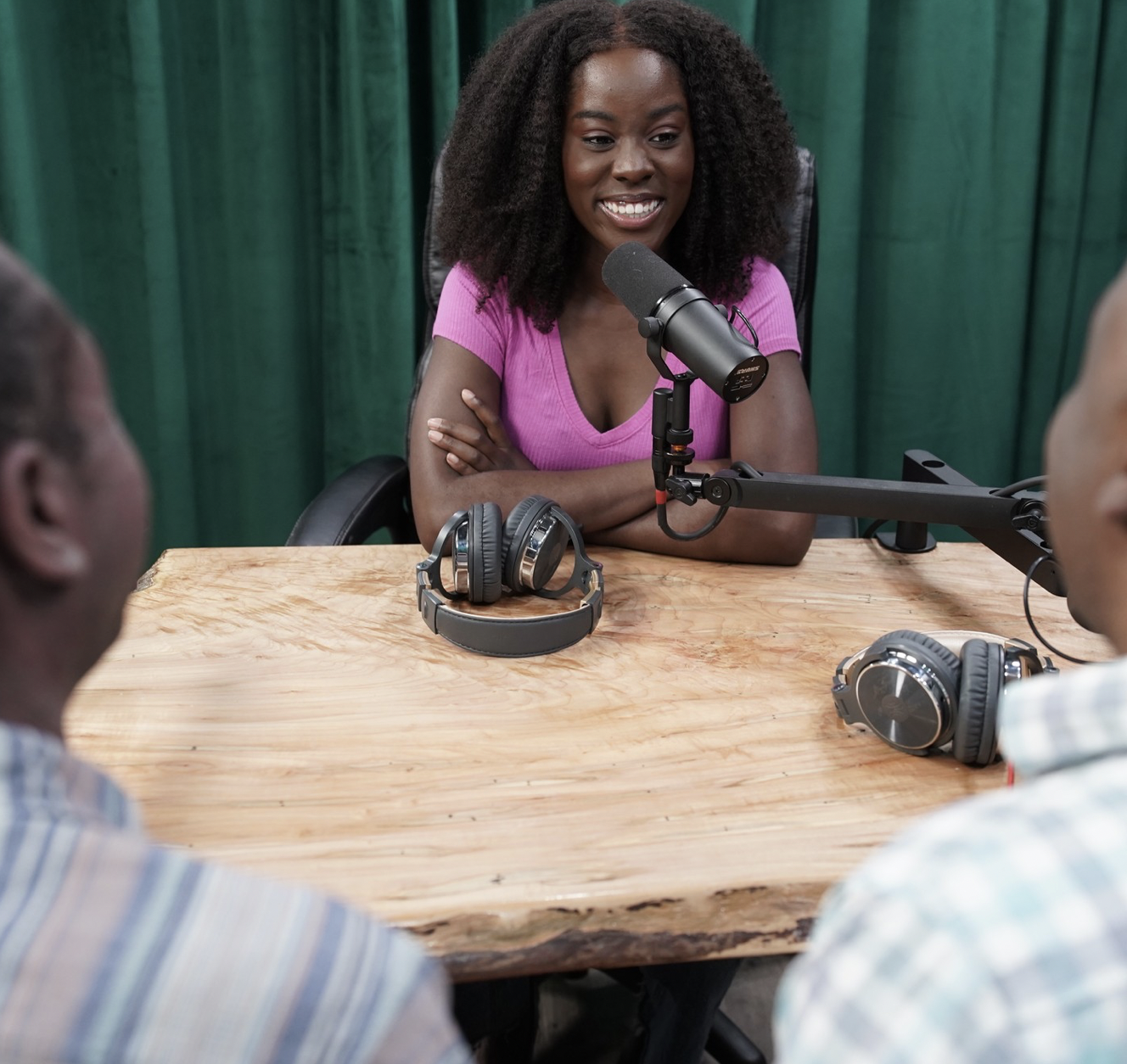
Because from the very corner they described, I could name a dozen organizers. People who had spent their lives challenging brownfields, pushing for justice, building power. A few blocks over stood the historic Champion Spark Plug, a place shaped as much by fierce union resistance which was organizing that shaped our national identity. I had, while in college, collaboratively produced a film with community members who were resisting eminent domain by one of the world’s largest corporations. Organizing was everywhere.
That moment taught me something I never forgot: Relationships are the only reliable source of power and knowledge. Narrative infrastructure isn’t formed at a distance. It can’t be parachuted in. You have to take the time to both listen and tell, understanding a place at the grain: knowing where the creek floods, who tends the memorials, whose grandmother kept the stories alive when no one else would listen.
Those stories, our local culture, our food, is how we not only interpret—but also mediate and organize against—the global forces that drive the challenges we collectively experience.
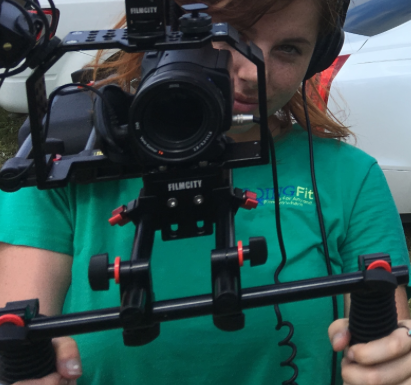
It comes from people like our colleague in Columbus County, Wallyce Todd, who helps carry the memory and meaning of her community with a kind of steady, irreplaceable devotion. The lesson is that people in my old neighborhood, people like Wallyce, are making the path to the sort of democracy we yearn for. It is critical to tell their stories because it is the only way to shift power from external certainty to local knowledge.
Pick up a camera. Organize a story circle. Share a story. Be a joyful change agent in your community. Organize across the kitchen table. This is how we are building in North Carolina: an enduring, self-sustaining system of local power. We do this one story, one relationship, one community at a time. It’s slow work. It’s humble work. And it is the only way anything changes.
This Giving Tuesday your gift will be doubled. I’m inviting you to invest in this work.To believe that local is not small—it’s the ground everything else stands on. I’m ready to keep building. Let’s do it together.
Regards,
Nick Szuberla, executive director, Narrative Arts
Social Media


